

The show moves into the Vernets ice rink
By 1975, equestrian sport was opening up to women and growing fast. It was the age of leisure for all and, at the same time, of an unmistakable professionalisation of sport: advertising arrived, and sponsorship began.
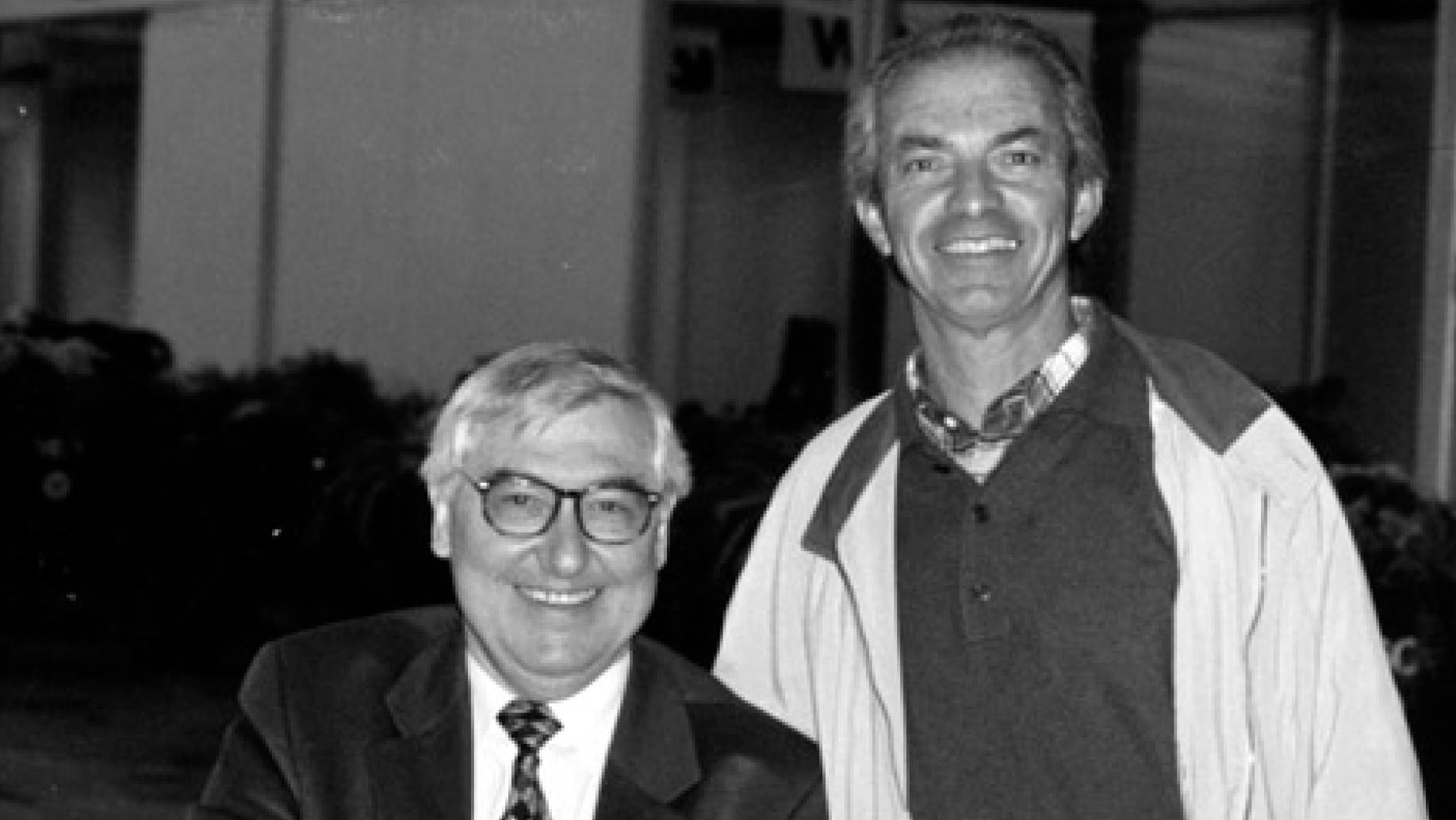
Robert Turrettini and Yves Piaget, the two men at the head of the CHI, now had a more modern tool at their disposal: the Vernets ice rink. Its stands were vast and permanent. From then on, the show would be held in late March or early April, once the ice hockey season was over.
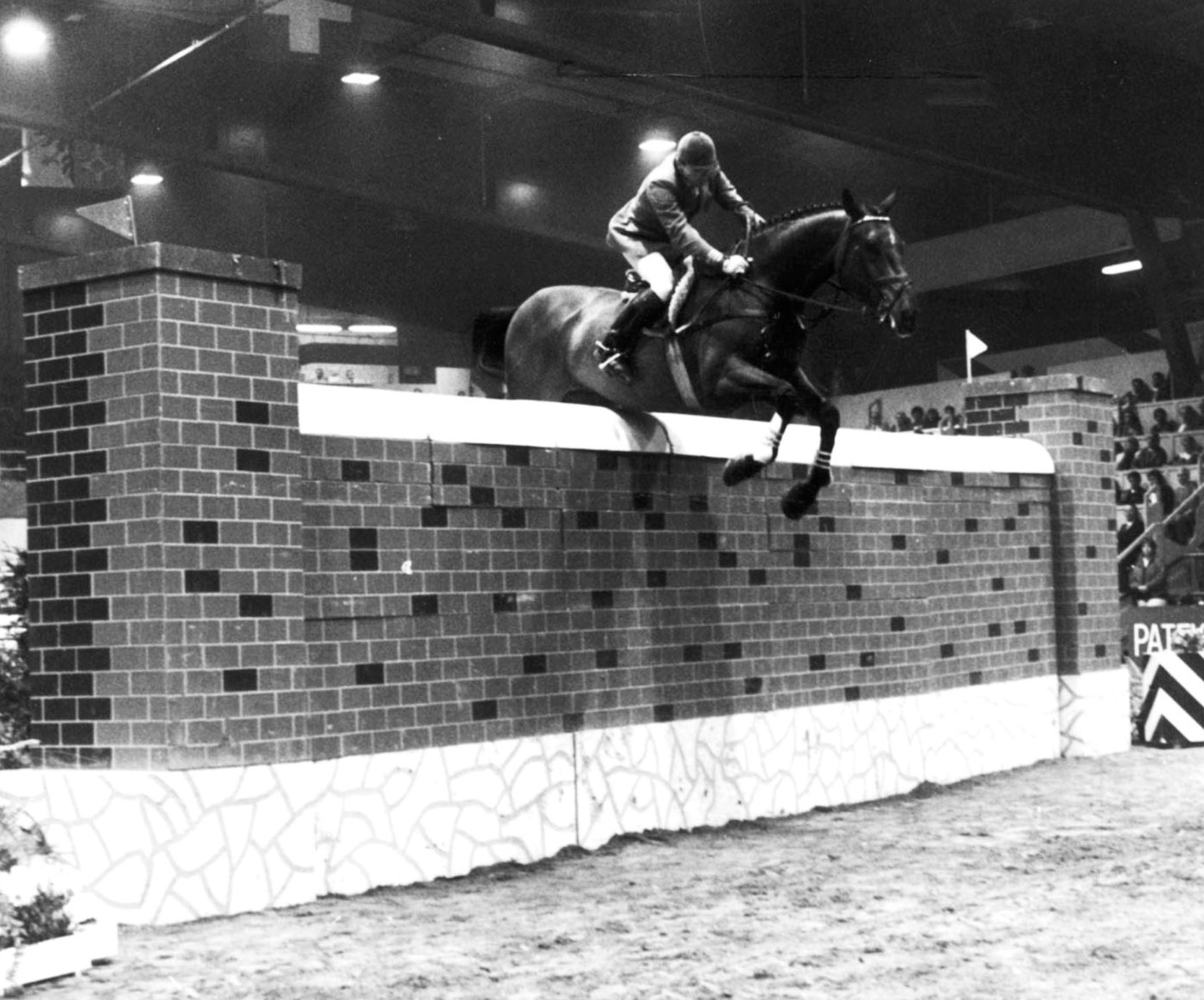
I used to go as a little girl. I remember that puissance wall so clearly — it was absolutely striking. We always tried to slip backstage to see the stars up close. We would come home from the rink wanting to be the champions of tomorrow.Testimonial: Sophie Mottu Morel - Director of the Geneva CHI
Geneva climbs aboard in the very first year
Indoor shows were multiplying: riders were now jumping twelve months a year. The Swiss journalist Max E. Ammann gave this indoor circuit a purpose by creating the World Cup.
Geneva climbed aboard immediately, hosting a leg as early as March 1979. Nick Skelton took the win, with Everest Lastic. The Englishman would become Olympic champion almost forty years later, in Rio.
The wall
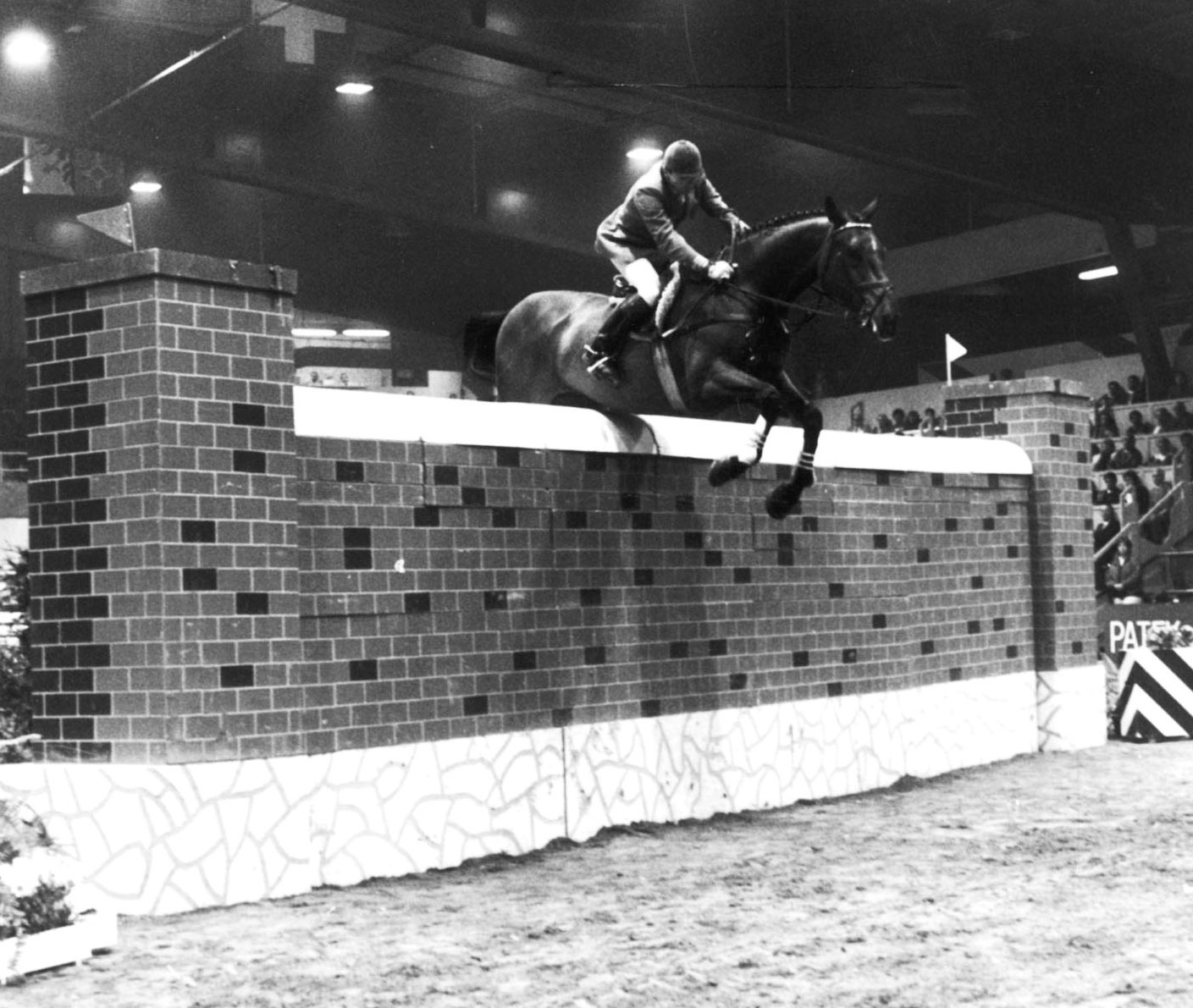
At Les Vernets, the puissance class was a crowd favourite. Every year a gigantic wall was cleared — and every year it rose a little higher.
Two metres thirty: a Swiss record, three centimetres short of the world record of the day. The Vernets wall would never rise higher.
At Les Vernets, the show remained biennial
Between two editions, the flame had to be kept alive. The show multiplied its entertainment and exhibition classes, even stepping well outside the sporting frame.
Swapping horses
Former champions swapped mounts for the length of a class, as much for the crowd's delight as for their own.
Exhibition classes
Unusual courses, designed to surprise as much as to separate the riders.
A Pierre Bachelet concert
The rink even hosted a concert — a way of bringing to Les Vernets an audience that was not the equestrian one.
The champions who marked Geneva
Three great evenings at Les Vernets, three riders who entered the legend of the show.
Willi Melliger
1985 · Beethoven II clears 2.30 mIn the puissance, Beethoven II cleared 2.30 m: a Swiss record, just three centimetres short of the world record of the day.
Willi Melliger finished joint first with the Italian Diego de Riu, riding Fanando. The Vernets wall would never rise higher.
Paul Schockemöhle
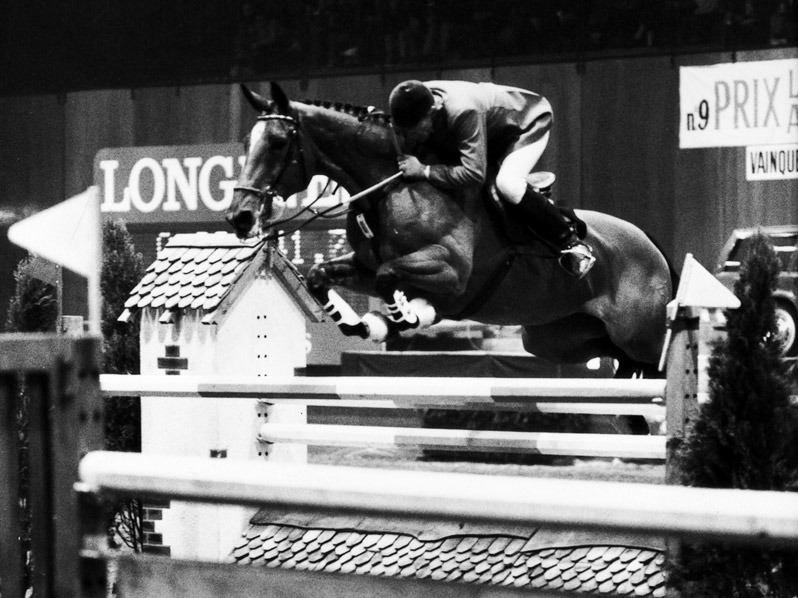
1987 · The Volvo World Cup Grand PrixThe triple European champion won the 1987 Volvo World Cup Grand Prix with Next Orchidee, before a captivated crowd.
The German already knew the Geneva arena well: he had taken the Prix des Étendards back in the 1970s.
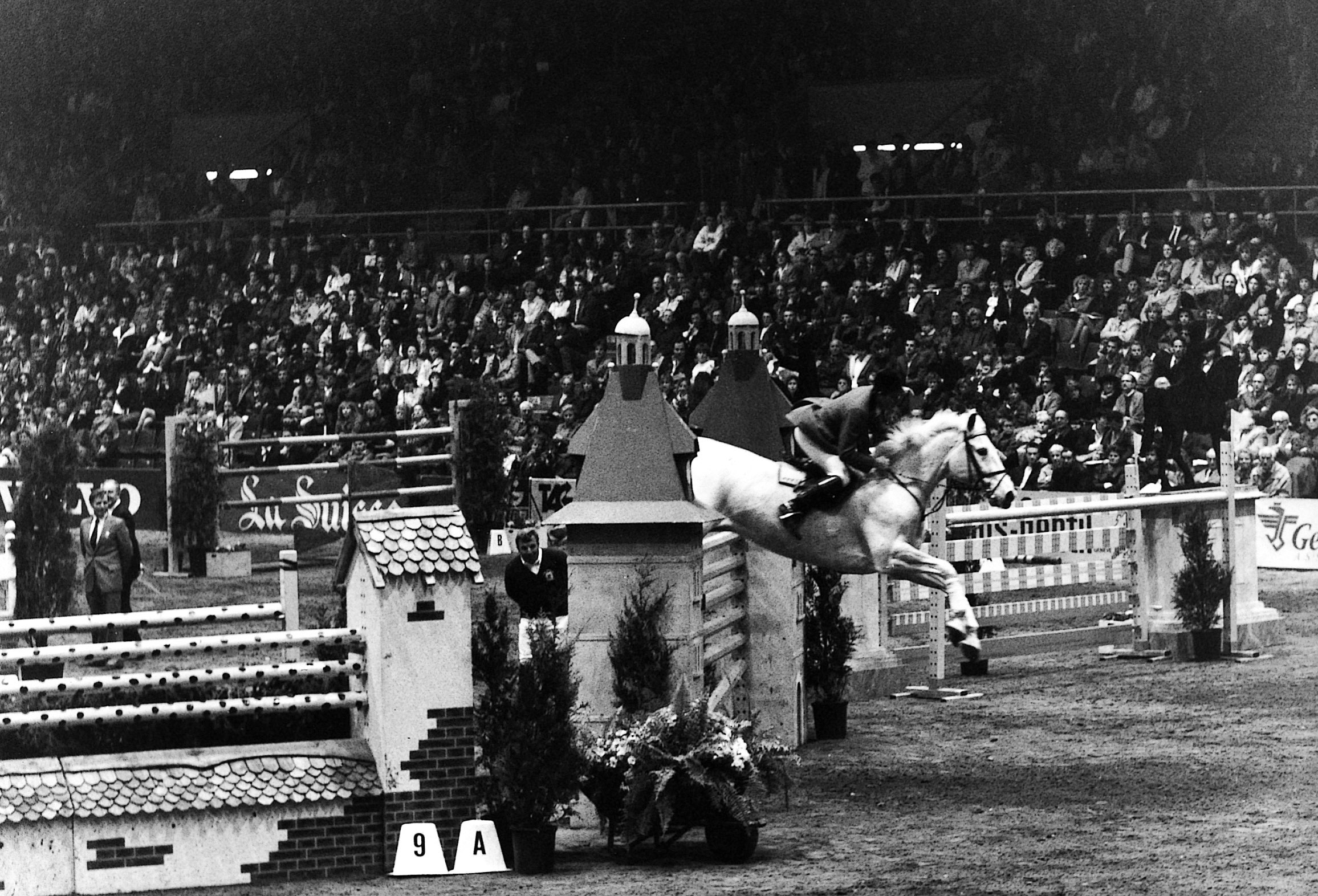
John Whitaker
1989 · Milton, the White AngelFor the 30th CHI celebration, the great grey won after a second jump-off: the last World Cup Grand Prix held at Les Vernets, and his only ever appearance on that arena.
Jappeloup and Pierre Durand were there to answer him, but the little black devil handed his rider a refusal. Their duels would light up the whole period.
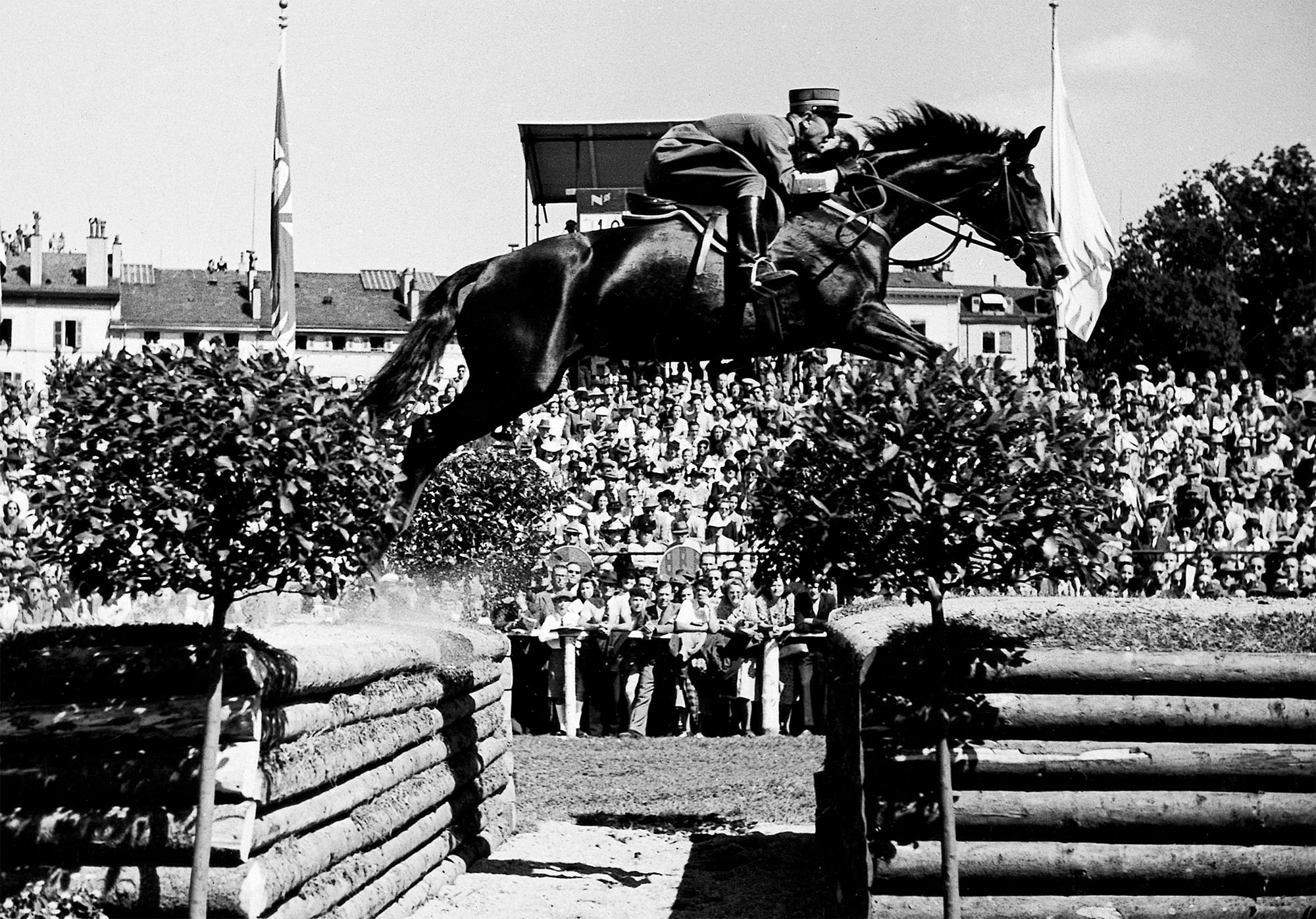
Milton, the White Angel
For the final edition held at the Vernets ice rink, in 1989, it was John Whitaker who took the win with Milton — the great grey the public had nicknamed the White Angel.
A page was turning. The show was about to move to Palexpo, and with it to an altogether different scale.
Fourteen years at Les Vernets, and the step into the modern era.
