
1947: The CHI goes back to the Palais
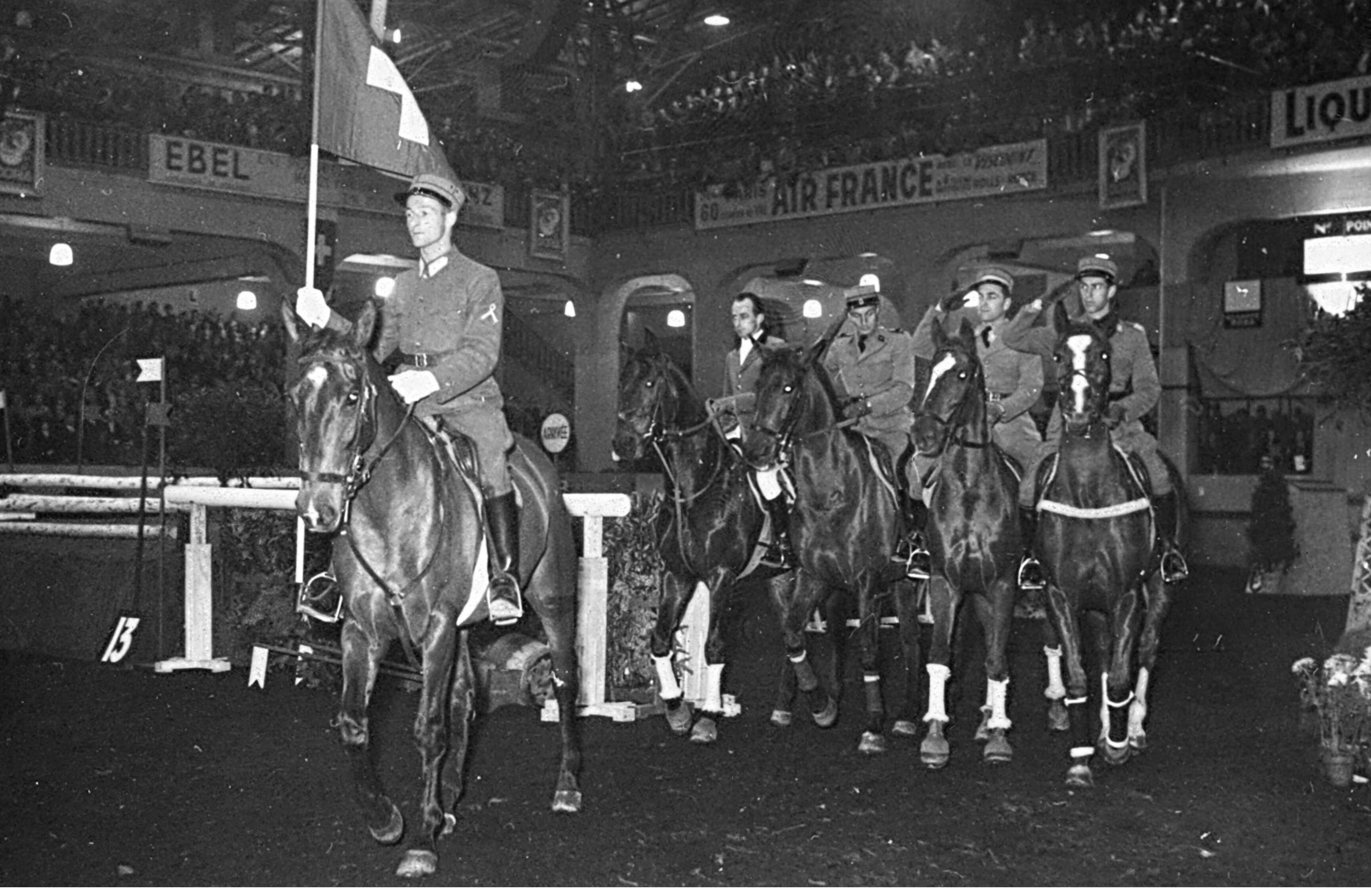
1947 marked both a turning point in the organisation of the CHI Geneva and a return. Having been held outdoors for four years on the Plaine de Plainpalais – for three of them as a national competition – the biggest event on the international calendar went back to the indoor arena at the Palais des Expositions.
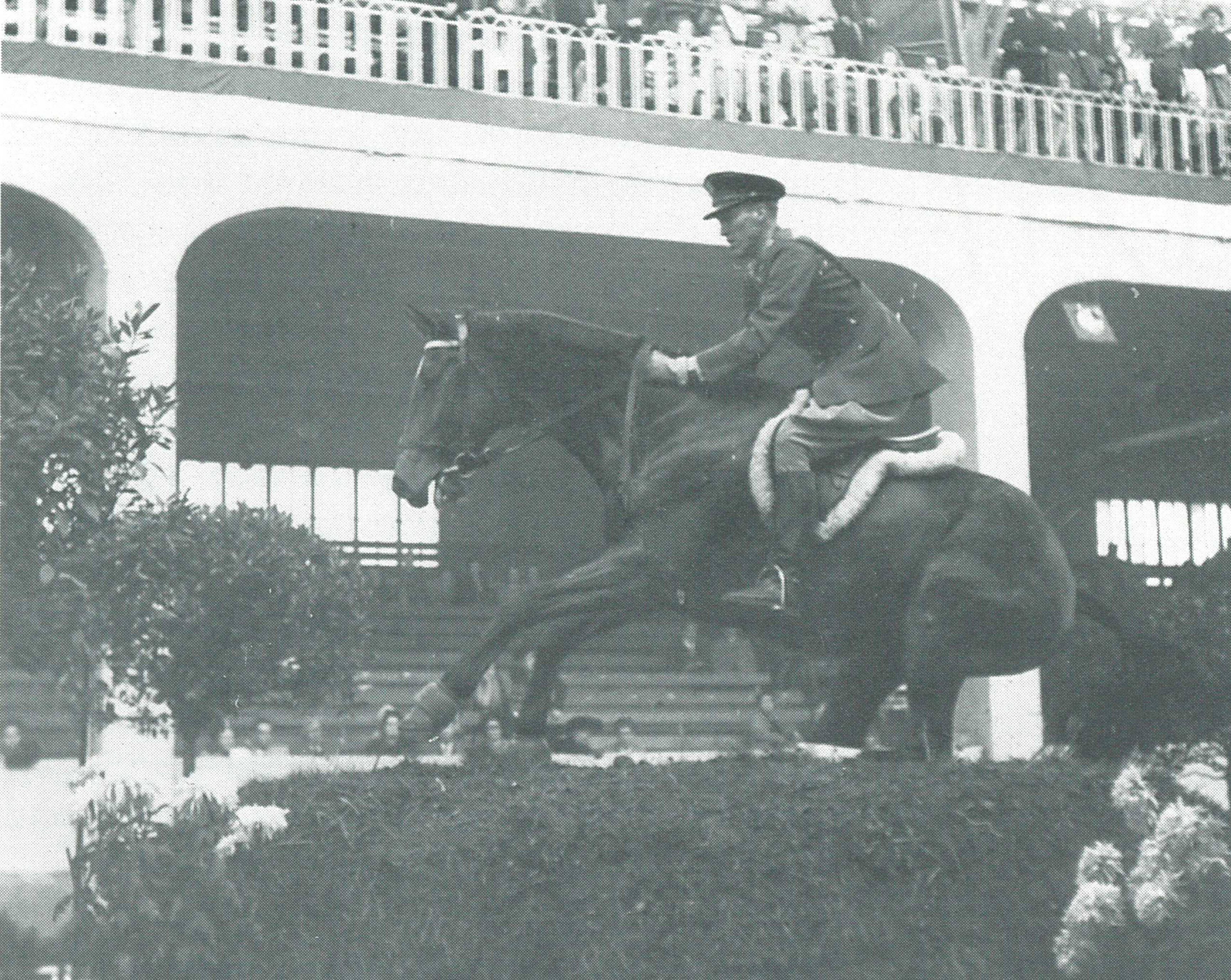
It was then that it switched from the summertime to the end of the year, with riders and horses assembling at the legendary venue from 8 to 16 December. “The Palais had a soul,” wrote CHI Geneva Sports Director Alban Poudret in his official history of the event. “There was also a sense of grandeur about the place, a feeling enhanced by its very high ceiling and gallery perched up above the arena. Known as the ‘promenoir’, it provided a vantage point for watching the events for a fee of one or two francs.” A total of 93 pairings took part that year, representing Belgium, France, Italy, the Netherlands and, of course, Switzerland. Also competing was a lone US rider, Lieutenant-Colonel James Kaiser, who made quite an impression by winning the Grand Prix on board the mare Dagmar.
The field also contained a striking number of military titles and aristocratic names: Commander Gudin de Vallerin, Chevalier d’Orgeix, Captain Fresson, Commander De Busnel and Lieutenant Colonel Kaiser, to name but a few. Times were clearly different back then and so were the customs. It should also be remembered that, at the time, equestrianism was almost exclusively a male sport rooted in military traditions, though there were some notable female exceptions, among them the young Michèle Cancre and Switzerland’s Madelaine Röntgen.
As the event got under way, the atmosphere in the hall, where the CHI Geneva had come into being back in 1926, was truly special. Colonel Jack de Charrière de Sevéry, the president of the competition jury, wrote in L’Année hippique (“The Year in Equestrianism”): “The Palais des Expositions had regained its magnificent pre-war ambiance. Some of the riders and horses seemed hesitant at first, but as soon as they had grown accustomed to the ground, the lighting and the smoke, they seemed just as comfortable as they would have been on any ground outdoors.”
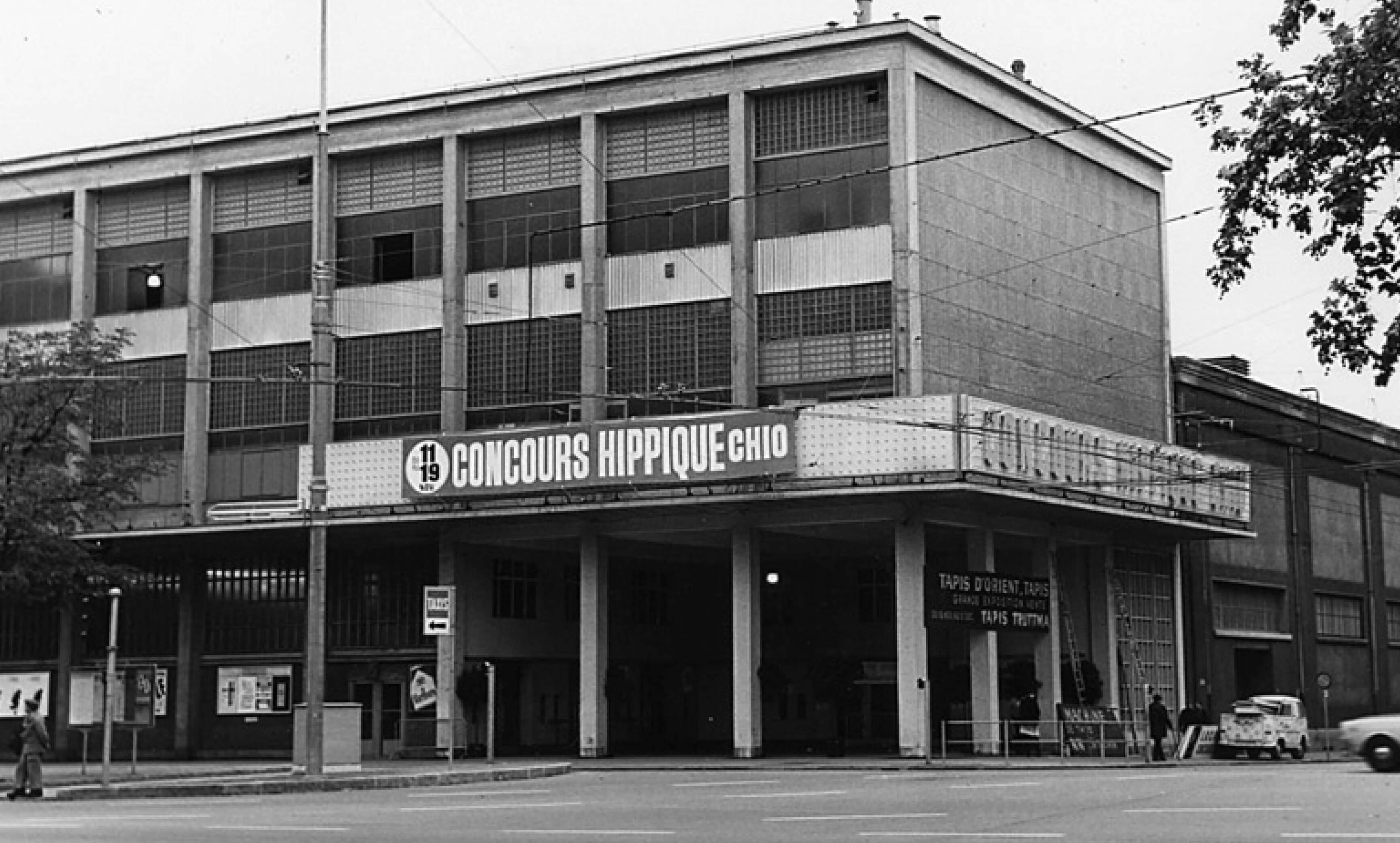
Aside from making its return indoors at the Palais des Expositions, the event also became more of a professional concern. From 1947 through to 1971, it was officially known as the CHIO and alternated with Lucerne in hosting the Nations Cup – known at the time as the Prix des Étendards or Prix des Nations – as countries were only allowed to host one Nations Cup event a year. That year, in front of 8,000 spectators, the Palais des Expositions witnessed victory for an Italy team led by the d'Inzeo brothers, Piero and Raimondo, who were riding together for their country for the very first time.
Geneva and Lucerne shared the hosting honours through to 1983, when the FEI decreed that the Nations Cup could no longer be held indoors, in Europe at least, and the event switched to St Gallen, leaving Geneva to focus on the World Cup.
The Palais des Expositions provided the setting for the CHIG until 1973 and was knocked down a few years later. A prestigious venue that also hosted the celebrated Geneva Motor Show, it remains etched in the collective memory. Over the course of nearly 30 years, its unforgettable hill, walls and other obstacles saw many great names earn a place on the Grand Prix de Genève honours board. They include France’s Pierre Jonquères d’Oriola on Voulette (1953); Italy’s Raimondo d’Inzeo, a three-time winner on Posilippo (1961), Bellevue (1969) and Fiorello (1971); and Zurich rider Werner Weber, a surprise victor on Lansquenet in 1963, a year in which the host nation also won the Prix des Nations.
Sophie Lebeuf
- Back
-
Share