
The CHIG ups sticks for Les Vernets
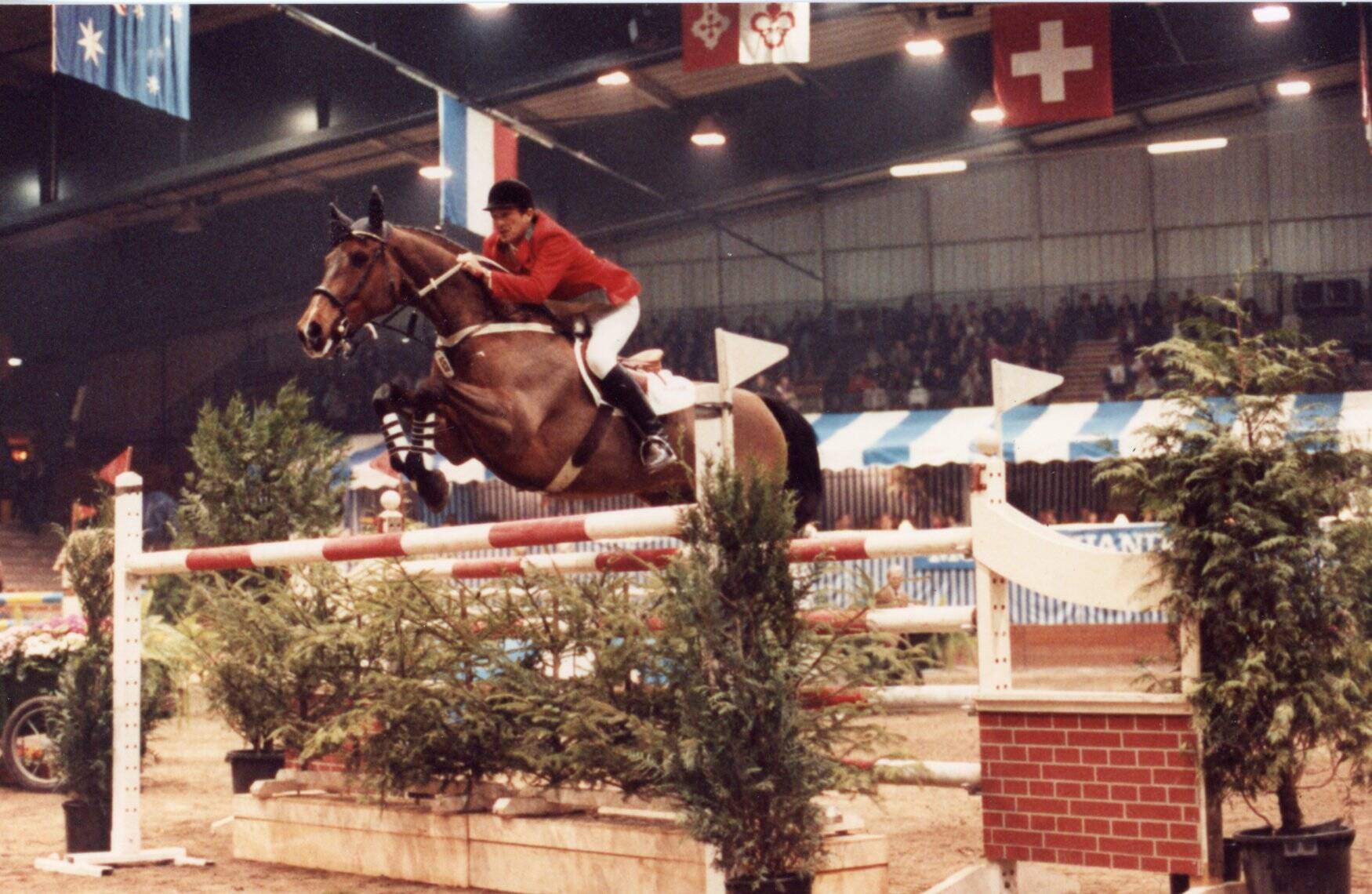
The late 1970 spelled changes for the CHI Geneva, big changes. Following the handover from Colonel Pierre de Muralt to Robert Turrettini at the helm of a significantly rejuvenated committee in 1974, the event moved the following year to Les Vernets, just a few hundred metres from the Palais des Expositions, its former home.
On the plus side, this meant a massive grandstand with no pillars or columns, allowing uninterrupted views for spectators from all parts. On the minus side, the venue lacked the charm of the Palais, while tents were erected to provide stables and both the water feature and the hill were removed at the request of the FEI.
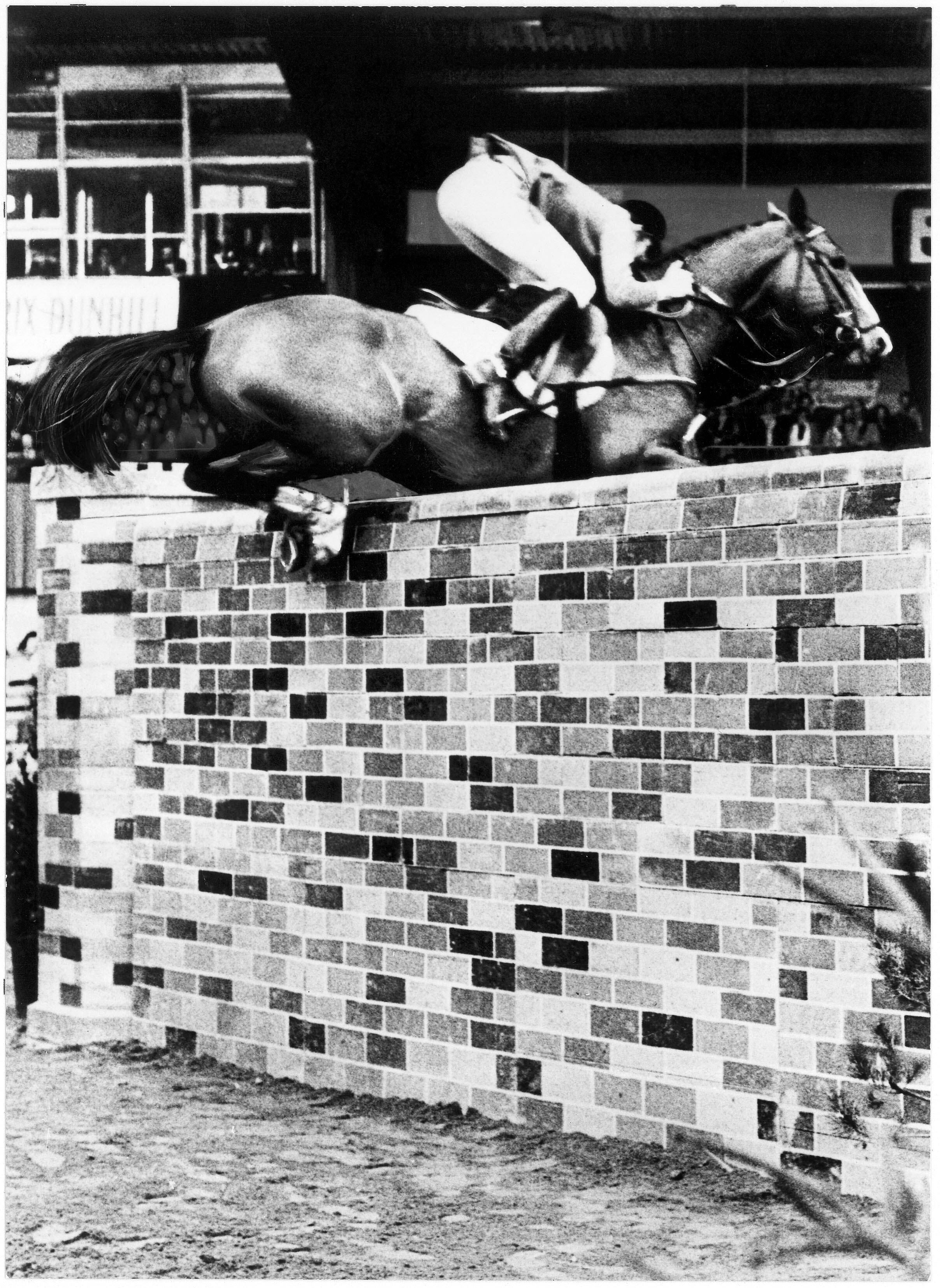
The departure from the Palais was necessary, however. Its facilities were dilapidated, and the FEI was anxious for the CHIG to modernise. Then there was the fact it had downsized from ten to just six days and was becoming increasingly selective, even if the main event on the opening evening of the 1975 edition had no fewer than 112 entrants. Eric Wauters and Pomme d’Api marked Les Vernets’ debut in style, clearing 2.18m in the Puissance – a Swiss and CHIG record – before winning the Swiss Grand Prix the following day. While the move to the new venue was a success, it involved a lot of hard work, as Yves G. Piaget, Turrettini’s right-hand man at the time and a future president of the CHIG, recalled: “Leaving the Palais for Les Vernets Ice Rink was a complex and delicate technical challenge, one overcome thanks to the help of the Ville de Genève. Just imagine – we had to lay the floor seven times in a row straight onto the ice.”
Then came the storm of 1977, when, just a few hours before the competition was due to start, fierce winds tore away the tarpaulin covering the stables and the paddock. Cue panic stations! “The horses were rearing up and it was pretty gloomy overhead,” added Piaget. The weather eventually cleared, however, and everything was speedily put back in place, without anyone suffering as much as a scratch. After a delay of just a few hours, the competitions finally got underway, which was quite remarkable in the circumstances.
That same year, the riders had a meeting at the CHI Geneva and founded the International Jumping Riders Club (IJRC), with a certain Max E. Ammann becoming the secretary, a post he would hold for several years. Talking of Ammann, he was born a few decades earlier in the canton of Thurgau. His father bred horses on the family farm, and, in 1945, Max became his groom at carriage driving competitions. Over the next ten years, they travelled the world together, taking in the major equestrian events until Max became the foreign correspondent for a number of Swiss, German and Austrian newspapers. He moved to New York in 1964, returning to Europe to cover the 1970 World Championships in La Baule and then the Olympic Games in Munich in 1972. The following year, he came back to Switzerland to take over as editor-in-chief at Luzerner Tagblatt.
As well as attending ten to 15 CSIO competitions a year, Ammann took an interest in indoor events also: “They were virtually unknown at the time, and I was the only foreign journalist to write about the events at 's-Hertogenbosch, Berlin or Amsterdam. And before the return of the World Championships to Europe in 1970, most of the major tournaments took place outside the Old Continent.”
La Baule changed everything. Suddenly, the media began to take a growing interest in a sport that was close to the Swiss reporter’s heart. At the 1974 World Championships at Hickstead, the International Alliance of Equestrian Journalists (IAEJ) was founded, with Ammann becoming its president. It was its creation that inspired the riders to set up the IJRC three years later. “When we met up at Aachen or Hickstead, we would all go out for dinner together every evening,” recalled Ammann. “We had some fascinating chats because we were all working towards the same goal: making the sport more attractive for TV and showing the world just how interesting show jumping was. That’s when we came up with the idea of creating the World Cup circuit.”
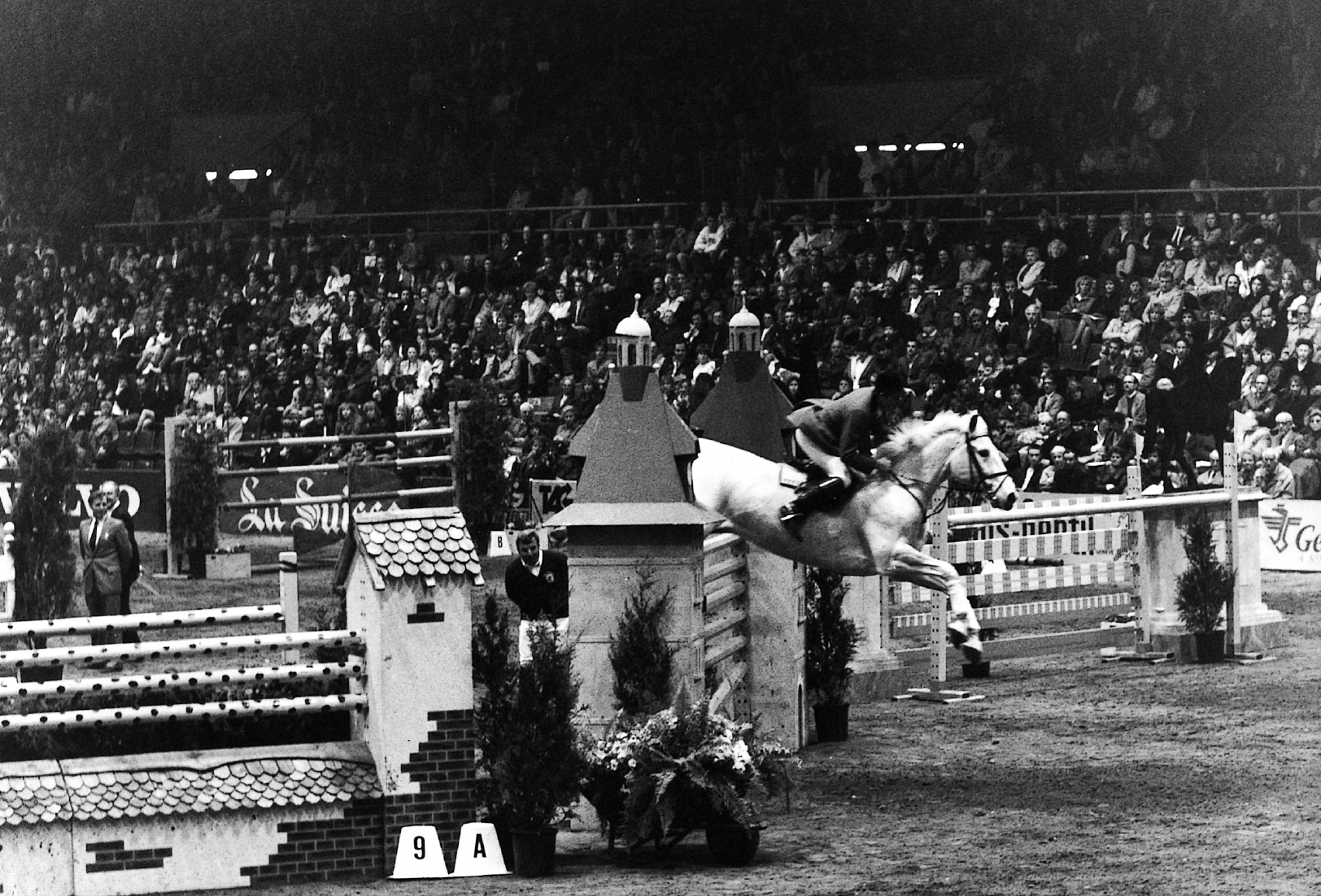
The original plan was to organise a world circuit, but the journalists quickly realised that this would be too difficult due to the cost involved in transporting the horses. They decided instead to organise several circuits in different continents. In 1978, Ammann presented the idea at a meeting of the FEI’s show jumping committee in Brussels, where the governing body had its headquarters at the time. His proposal was very well received. “Prince Philip, the then president of the FEI, invited me to Windsor to discuss the plans in person,” said Ammann. “He just said to me: ‘Perfect. You take care of it. I’m just going to translate your proposal from ‘American’ English to ‘proper’ English.”
With a league system in place, organised according to regions of the world, the competition was in need of a final. Ammann knew the choice lay between Geneva and Gothenburg, the last indoor events of the season and the most prestigious at the time. There was also the question of funding. Through mutual contacts, the Swiss journalist had dinner with the CEO of Volvo, who was bowled over by his proposal and agreed to sponsor the circuit and organise the grand final in Gothenburg.
Though Geneva did not bid to host the final at that time, it did join the circuit, with Yves Piaget instrumental in making it happen. “It was clear to me that Geneva should be part of the story,” explained Ammann. “It has always had a special atmosphere, and it was one of the biggest indoor events in the world.”
The popularisation of equestrianism was well and truly underway, thanks to the success of the World Cup as we know it. The CHIG would go on to host two memorable finals: the first in 1996, when the formidable pairing of Hugo Simon and E.T. prevailed in a thrilling jump-off against Calvaro and Willi Melliger – an evening described at the time as “unforgettably theatrical” – and the second in 2010, when Marcus Ehning won with Noltes Küchengirl and Plot Blue.
Three years later, and 35 years after its debut as a World Cup round, the CHI Geneva left the circuit and embarked on a new era as a Rolex Grand Slam of Show Jumping venue. That, however, is a different story altogether.
Aurore Favre
- Back
-
Share