From the Palais to the world
Some passions you just pick up without any explanation. Pierre Genecand can vouch for that. As a youngster, he ran around backstage at the Palais des Expositions in Plainpalais and had the job of raising the national flags at official ceremonies. One day, he got the Dutch and French tricolours mixed up, a faux pas that did not go unnoticed by that proudest of Frenchmen, Jean d’Orgeix, with Genecand receiving a clip round the ear for his troubles.
The former president of the CHI Geneva organising committee is smiling as he tells that story, from his home on the right bank of Lake Geneva. Its basement is a regular private gold mine of CHIG memorabilia, featuring ribbons from the 1920s, commemorative plaques and faded magazines – a hundred years of Genevan equestrian history by the water’s edge.
As for Yves Piaget, he would take the train in from Neuchâtel. A budding watchmaker, he made sure to leave his November weekends free so he could make the trip to Geneva. After all, there was no bigger event than the CHIG. “The flags, the formalities, Colonel de Muralt’s epaulettes, the d'Inzeo brothers, Nelson Pessoa...” he recalls with some emotion. Though 83 now, his voice on the phone retains its old charm and enthusiasm as he casts his mind back to those bygone days. Though not a rider in the competitive sense of the word, having never jumped over anything more taxing than a fallen tree trunk in a forest, Piaget loves horses. And he loved jumping in the way you love something that is just out of reach.
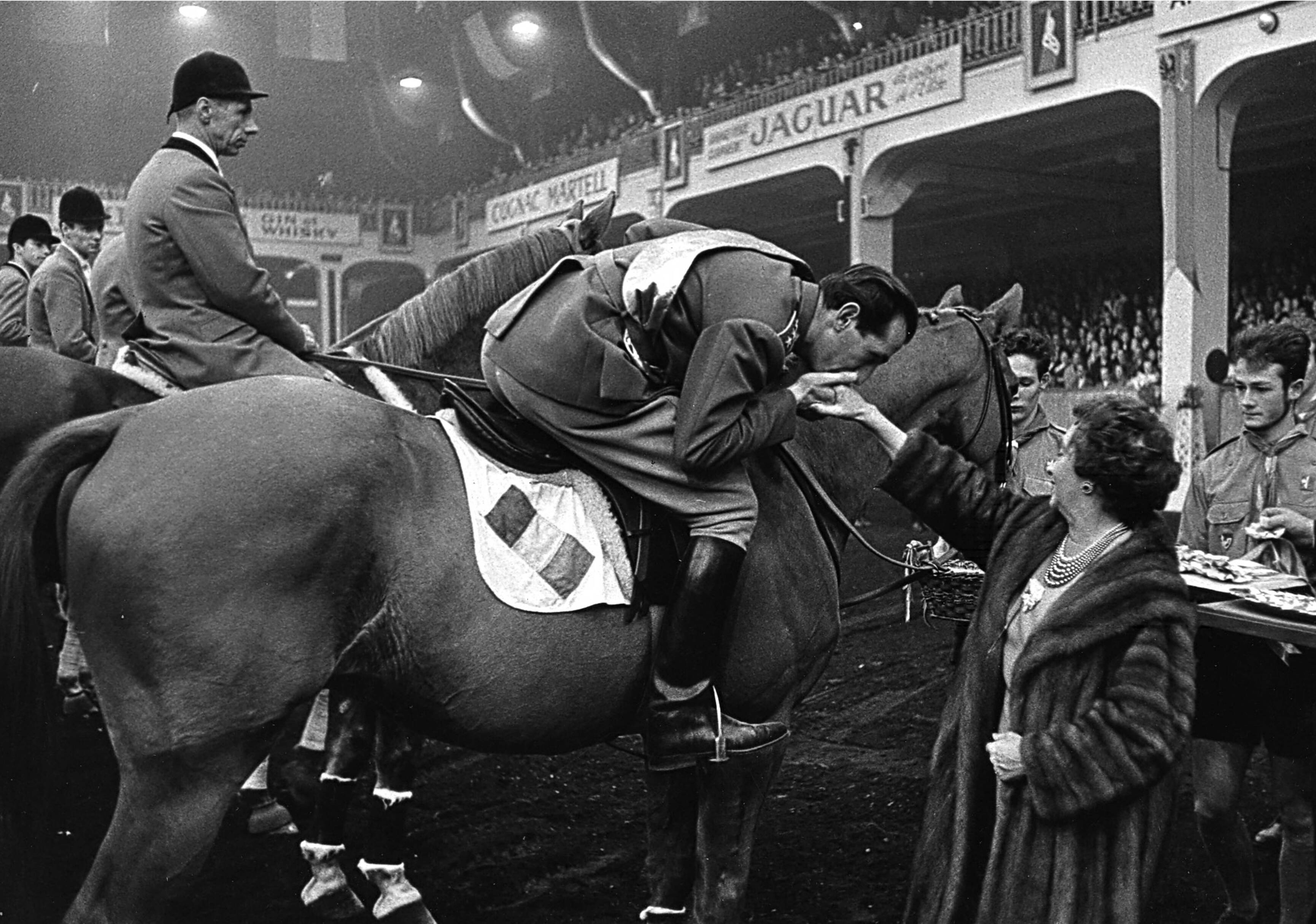
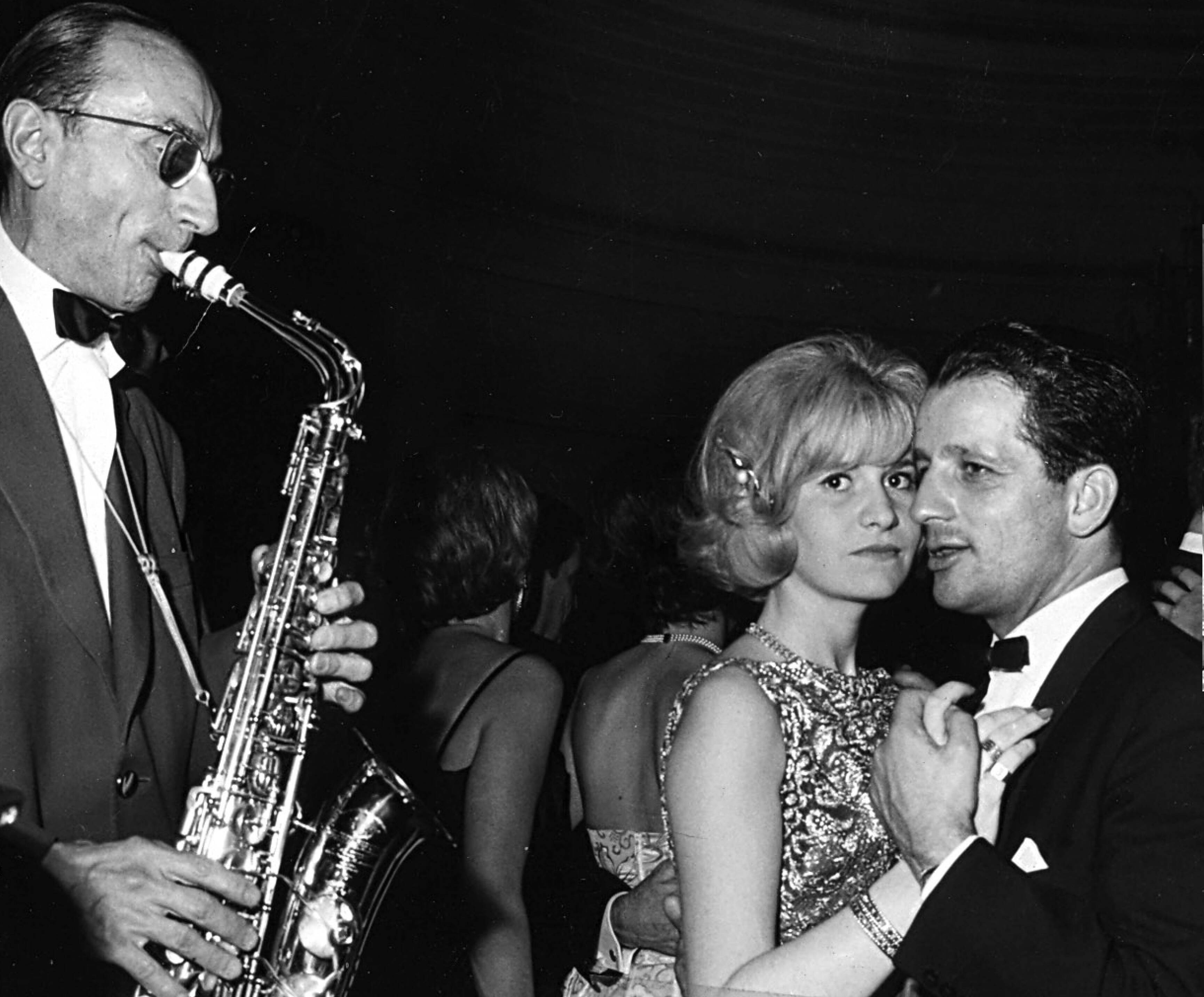
Back in those days, the CHIG was indeed something just out of reach. “Ten days of competition every two years in an atmosphere that combined sport and glamour and which few events in Geneva could match,” recalls Genecand. “In fact, it was almost more of a social than a sporting occasion.” There was the ball at the Hôtel des Bergues, where the Italians would discreetly leave their spurs in the cloakroom before entering the hall, the French guests who had to be taken to Mass at St Joseph on the Sunday morning, Prince Philip in the stands... It was a time when volunteers showed up in a shirt and black tie, when the military organised everything under the auspices of the Swiss cavalry and Genevan equestrian clubs Le Rallye and L’Étrier, all with the blessing of Mr Blanchet, who promised not to concrete over the floor of the Palais des Expositions. The fountain stood in as the hill obstacle, the Swiss dragoons kept the stables clean, and everyone made do.
The horses travelled in special trains, there were hardly any horseboxes, there was no prize money, and transport costs were covered by the military. And yet, the best riders in the world would turn up: the d'Inzeo brothers, Hans Günter Winkler, Francisco Goyoaga, Pat Smythe, and, in later years, Harvey Smith, Nelson Pessoa and David Broome.
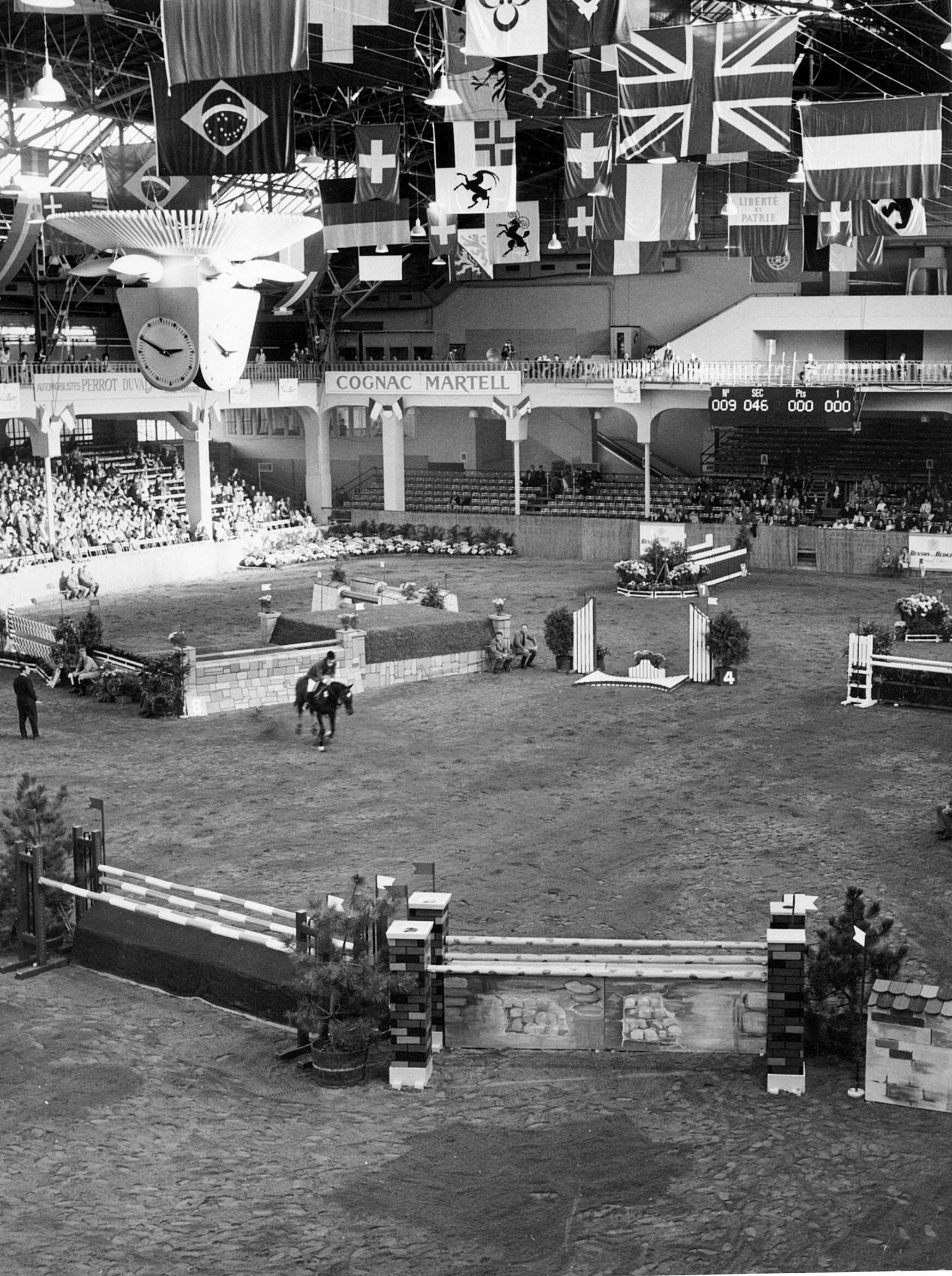
“Geneva had a reputation and was popular with the riders,” explains Piaget. That popularity was down to the warm and welcoming crowd, a high-quality arena and an organisational setup honed by decades of passionate volunteer work. The CHIG was sport in full effect, even if horse riding was still the preserve of both a social and military elite. There’s an article in this newsletter on the 1947-1973 period and, as it points out, the fields back then contained a striking number of military titles and aristocratic names. Different times and different customs indeed.
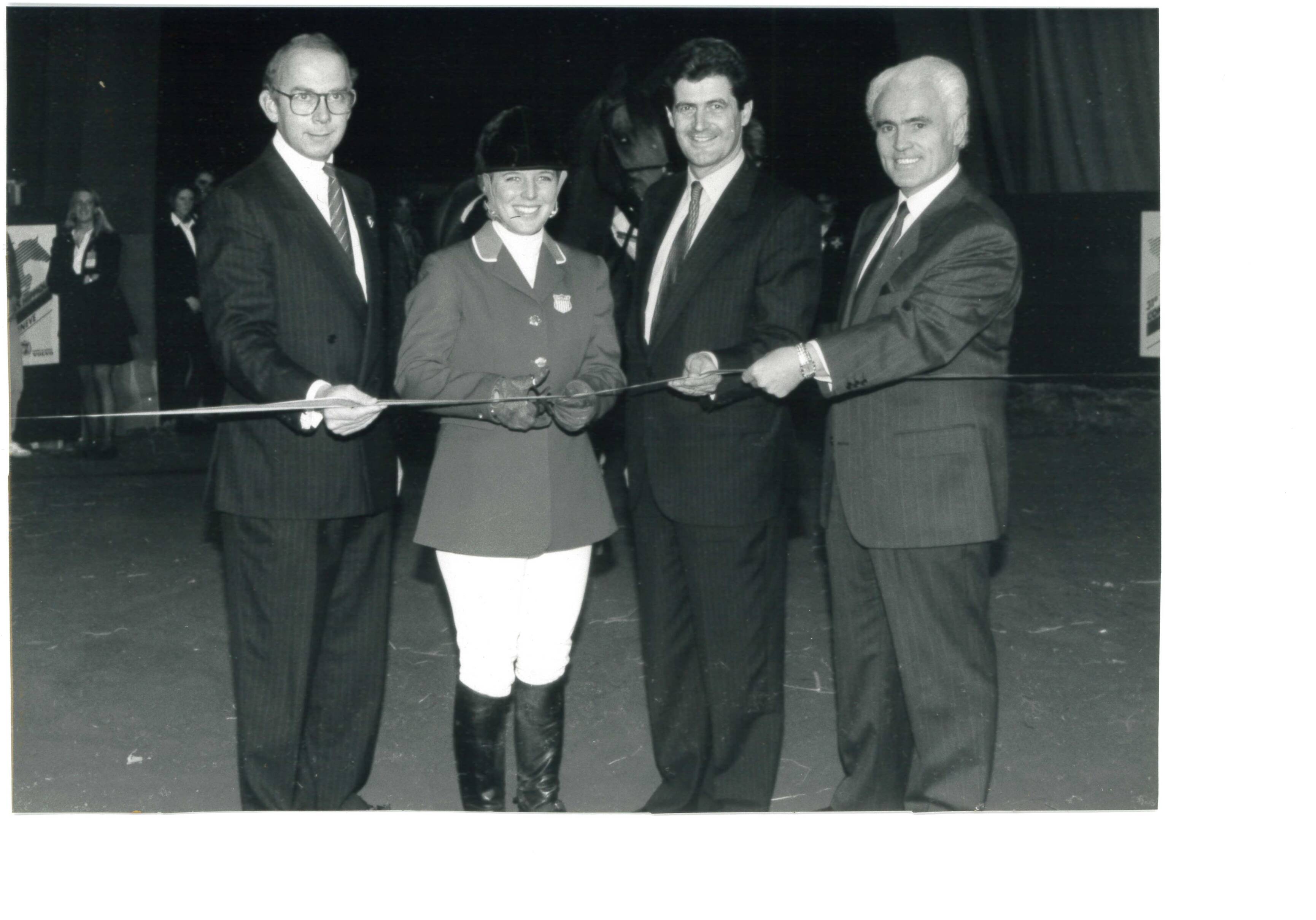
That world would gradually change. In 1975, Piaget joined the organising committee as vice-president alongside Robert Turrettini. A lifelong horse lover, his first experiences at the CHIG had come assisting Dr Carbonnier, the event’s course designer. As for Genecand, he came on board in 1989, starting out in financing before taking on the presidency. Both were very much hands on and preferred to be out and about getting their hands dirty than stuck in the office. The event was in need of change. It was run by colonels, local bankers and the tourism office and the organisational structure was too rigid. “No one dared touch it,” says Piaget.
When he took up the reins, the event ran a profit in the very first year, without any federal assistance. “It was down to a team of volunteers who truly believed in what they were doing, people who gave up their holidays, their free time and who had real passion,” he explains. Sponsors began to appear and so did the media. The CHIG started to pop up in newspapers and on the radio, thanks to writers and voices who would soon become familiar to equestrian lovers across French-speaking Switzerland.
The move to Les Vernets in 1975, followed by the event’s inclusion on the FEI Jumping World Cup circuit in 1979, triggered major change. In 1991, its first year at Palexpo, the CHIG became an annual concern. The obstacles were lighter and better suited to the spectacle and TV, while the field was more international and open. No longer was equestrianism a sport reserved for a chosen few. That inaugural edition at Les Vernets was very nearly a disaster. A storm struck just a few hours before the competition got under way, blowing the tents in the stables here, there and everywhere. That is another story, however, to be revealed next month.
Aurore Favre
- Back
-
Share